
My Kid Outgrows His Shoes So Fast 👟😅 (And I Know I’m Not the Only Mom)
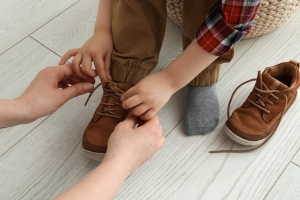
Mother helping son to tie shoe laces.

I swear I just bought my son new shoes… and somehow, they already don’t fit.
If you’re a mom constantly buying the next size up, trust me—you’re not alone 💛

Kids’ feet grow fast, and keeping up can feel like a never-ending cycle of measuring, shopping, and sighing at the receipt. It’s frustrating, exhausting, and honestly confusing at times.

But here’s the good news: once you understand children’s foot growth, how often to replace kids’ shoes, and how to get the right fit, the stress drops way down.
Here’s what I’ve learned as a mom trying to keep up—without losing my mind 😉

Ages & Stages: How Fast Do Kids’ Feet Grow? 🦶📏
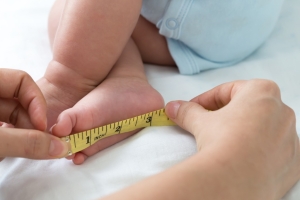
measuring-the-size-of-the-foot-baby-infant-body-development-concept-three-month-old.jpg_sMommy =1024×1024&w=is&k=20&c=4P6wUH_k8XtDS-vqVKGVe1DRq-qUzddob-ZaBctn8Wk=

Kids don’t grow at the same pace forever, and knowing what’s normal helps avoid guesswork (and wasted money).

Infants (0–12 months) 👶

  • Feet grow about ½ size every 2 months

  • Soft, flexible shoes or booties work best

  • Shoes usually need replacing every 2–3 months

At this stage, comfort matters far more than style.

Toddlers (1–3 years) 🚶‍♀️

  • Feet grow ½ size every 3–4 months

  • Shoes should support early walking and balance

  • I expect new shoes every 3–4 months

This is when shoes really start to take a beating 😅

Preschoolers (3–5 years) 🎨

  • Growth slows slightly: ½ size every 4–5 months

  • Running, jumping, and playground time wear shoes out fast

  • I plan on replacements every 4–5 months

School-Age Kids (6–12 years) 🎒

  • Growth averages ½ size every 6 months

  • School shoes and sports shoes often wear differently

  • I check shoe fit twice a year

Teens (13+ years) 😎

  • Growth varies (hello, growth spurts!)

  • Feet may grow once a year—or not at all

  • Shoes are replaced as needed for comfort and wear


How I Properly Fit My Kid’s Shoes 👟✅

A good fit has saved us from blisters, complaints, and buying shoes twice.

My go-to shoe fit checklist:

  • Thumb space: About ½ inch at the toe

  • Width check: No squeezing on the sides

  • Heel test: Heel shouldn’t slip when walking

  • Walk test: I always have her walk or run

  • Measure often: Both feet—one is usually bigger!

👉 Mom tip: Shop in the afternoon when feet are slightly swollen for the most accurate fit.


How Many Pairs of Shoes Does My Child Really Need? 🧺👟

I used to think more shoes meant better prep—but balance is key.

What works for our family:

  • 1 everyday pair (school or play)

  • 1 athletic pair (sports or active days)

  • 1 dress or special-occasion pair

  • Seasonal shoes (sandals, boots, rain shoes)

Total: About 3–5 pairs, depending on activities and weather.


Foot Health, Comfort & Style—From One Mom to Another 🌈

Infancy 👶

  • Comfort and flexibility come first

  • Soft soles or barefoot time indoors

  • I skip stiff or heavy shoes

Toddlers 🚸

  • Lightweight shoes with non-slip soles

  • Rounded toe boxes help with balance

  • Bright colors make shoe time easier 🎨

School-Age Kids 🎒

  • Cushioning and support for long days

  • Breathable materials help prevent sweaty feet

  • I let my child choose styles—within reason 😉

Adolescents 😎

  • Support matters, especially for sports

  • I avoid shoes that look cute but hurt

  • Comfort really does build confidence


Signs It’s Time to Replace Your Child’s Shoes ⏰

  • Toes touching the front

  • Red marks or blisters

  • Worn-down soles

  • Complaints about foot, knee, or leg pain

If my kid starts kicking shoes off faster than usual… that’s my first sign 😅
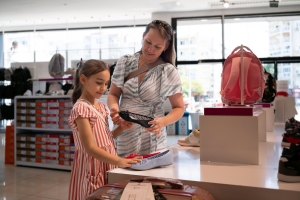
 

Back To School Shopping Concept. Mother and her two children are shopping for school.


Final Thoughts 💡
Watching your child outgrow shoes so fast can feel frustrating—but it’s also a sign they’re healthy and growing 💕
Staying on top of proper shoe fit for kids protects their foot health, comfort, and confidence.
I measure often, shop smarter, and remind myself this phase won’t last forever…
Even if it feels like I live at the shoe store 😉


What is My Baby Trying to Tell Me When She Cries? 👶

What is My Baby Trying to Tell Me When She Cries? 👶

Let’s be honest—those first few months with a newborn can feel like solving a mystery without any clues. One minute your baby’s cooing and cute as ever, and the next—BAM—full-on crying. And you’re left wondering:

“What happened?! What does she want?! Why won’t she stop?!”

If you’re a new parent (or even a seasoned one), it can be tough to figure out what your baby’s cries actually mean. But here’s the good news: babies cry differently depending on what they need.

Once you start listening closely and paying attention, those cries become your baby’s first language. 💬

Let’s dive into the different reasons babies cry—and how to tell which one is which.


1. The “I’m Hungry!” Cry 🍼

This one usually starts soft, then builds up like a mini siren. Your baby’s basically yelling, “Feed me already!”

Look for early signs before the cry kicks in:

  • 👋 Sucking on hands

  • 😛 Smacking lips

  • 🔄 Turning head side to side (rooting)

Hunger cries are the most common, especially in newborns. If you catch it early, you might even beat the tears to the punch.


2. The “I’m Sleepy” Cry 😴

This cry sounds whiny and tired—like a moan. Your baby might rub her eyes, yawn, or zone out.

Some babies fight sleep hard, so the fussing can turn into yelling. To help:

  • 🌃 Keep the room calm and quiet

  • 💡 Dim the lights

  • 🤱 Rock or sway gently

Let her drift off feeling safe and relaxed.


3. The “Something’s Bugging Me” Cry (Uncomfortable) 😖

This sharp, sudden cry usually means something’s off—fast.

It could be:

  • 💩 A wet or dirty diaper

  • 👕 Clothes that are too tight

  • 🧵 A hair wrapped around a finger or toe

  • 💨 Gas or tummy discomfort

Check her diaper, adjust her clothes, burp her, or hold her upright to see if anything helps.


4. The “I’m Angry!” Cry 😤

Yes, babies get frustrated too! This cry is intense and dramatic, like a mini tantrum.

It might happen when:

  • 🧸 You’re too slow with the bottle

  • 🐢 She doesn’t want to be put down

  • 🚫 You take away something she wanted

She’s not mad at you—she’s just expressing frustration. Comfort her calmly and patiently.


5. The “I’m Lonely” or “Pay Attention to Me!” Cry 🫂

This one might start soft and build slowly, with pauses like she’s waiting to see if you’ll come.

She may be saying:

  • 🤗 “Hold me.”

  • 👯 “I want company.”

  • 🎈 “I’m bored.”

And that’s okay. Babies thrive on connection. Picking her up isn’t spoiling her—it’s showing her love and security.


6. The “I’m Scared” Cry 😨

A sudden, panicked cry can happen after a loud noise or quick movement. It’s her way of saying, “That scared me!”

  • 🫂 Pick her up

  • 🗣️ Speak gently

  • 💛 Reassure her with your touch

Your arms are her safe place.


7. The “I Don’t Feel Good” Cry (Sick or in Pain) 🤒

This cry is usually high-pitched, different, or weak—and it’s hard to ignore.

Watch for:

  • 💔 Crying that doesn’t stop even when comforted

  • 🗣️ A hoarse or strained voice

  • 🚑 Other symptoms like fever, vomiting, or not eating

If your instincts say something’s off, trust them. Call your pediatrician—you know your baby best.


8. The “I Just Need Comfort” Cry ❤️

Sometimes there’s no clear reason. She’s not hungry, wet, or tired—she just needs you.

This cry may come and go, and it often calms with:

  • 🎵 Gentle rocking

  • 🧸 Singing a lullaby

  • 🍼 Offering a pacifier or just your soothing voice

You are her whole world. Sometimes all she needs is your love and presence.


So… How Do You Tell the Cries Apart? 🧠

It takes time. And no—you don’t have to get it right every time.

Here are a few tips to help:

  • 🎶 Listen to the tone: Is it soft, sharp, whiny, or panicked?

  • 👁️ Watch her body language: Squirming? Yawning? Rooting?

  • Check the basics: Diaper? Hunger? Sleep? Gas?

  • 💡 Trust your instincts: You’ve got them for a reason!


Final Thoughts 💬

Every baby is different. Every cry means something—even if you don’t figure it out right away.

You’re not a bad parent if your baby cries. You’re a loving human, raising a tiny human who’s still learning how to communicate.

The more you listen, the more confident you’ll become. And before long, those once-mysterious cries will start to make perfect sense.

You’ve got this. 💪

Let’s Stay Connected! 🔗

Have questions or want to connect with other families? Join our community on Facebook—we’d love to support you and share helpful tips!

👉 Follow Divine Home Nursing on Facebook