How We Care for Our Seniors with Love at Home, by Shaira Esplan

🏡 How We Care for Our Seniors with Love at Home | Home Care Services in Johns Creek, GA

A home is more than just a place — it is where comfort, memories, and family live. For many seniors, remaining in their own home provides a sense of security, independence, and emotional well-being. That is why home care services in Johns Creek, GA play a vital role in supporting aging loved ones while allowing them to stay where they feel happiest.

At Divine Home Nursing, we believe in one simple principle: senior care delivered with love, respect, and compassion in the comfort of home.


🏡 Comfort and Care in Familiar Surroundings (In-Home Senior Care Benefits)

In-home senior care allows older adults to receive professional assistance without leaving the comfort of their homes. Familiar surroundings help reduce stress, confusion, and anxiety — especially for seniors managing chronic conditions, dementia, or memory loss.

By receiving care at home, seniors can:

  • Maintain their daily routines
  • Stay close to family and cherished memories
  • Experience greater emotional comfort
  • Enjoy independence while staying safe

Home becomes a place of healing, not limitation — which is why home care for seniors continues to be the preferred choice for many families in Johns Creek, Cumming, and North Fulton, GA.


❤️ Personalized In-Home Support for Seniors

Every senior has unique needs. That is why our personalized home care services are tailored to match each individual’s lifestyle, health condition, and preferences.

Our caregivers provide:

  • Personal hygiene and grooming assistance
  • Medication reminders
  • Meal preparation and nutrition support
  • Mobility and transfer assistance
  • Light housekeeping and daily living support

This customized approach ensures seniors receive the right level of non-medical home care while preserving dignity, comfort, and independence.


🤝 Companion Care: Emotional Support at Home

Beyond physical care, emotional well-being is just as important. Many seniors experience loneliness, which can impact overall health.

Our companion care services include:

  • Friendly conversations and companionship
  • Recreational and cognitive activities
  • Emotional encouragement
  • Social engagement

Sometimes, a caring presence and a listening ear make all the difference. That’s the heart of quality senior home care.


👩‍⚕️ Professional Home Care with a Human Touch

At Divine Home Nursing, we combine professional caregiving services with genuine compassion. Our trained caregivers:

  • Monitor overall well-being
  • Observe and report health changes
  • Communicate closely with families

Families gain peace of mind knowing their loved ones are receiving reliable, compassionate home care services in Johns Creek and surrounding areas.


🌷 Promoting Independence and Dignity in Senior Care

Home care is not about taking away independence — it is about empowering seniors to live safely and confidently.

We encourage seniors to:

  • Participate in daily activities
  • Make personal choices
  • Maintain control over their routines

Because dignity and independence matter at every stage of life, especially in aging at home care services.


💙 Caring Like Family — Trusted Home Care in Johns Creek, GA

Providing home care services for seniors means bringing compassion directly into everyday life. Every visit is an opportunity to show kindness, patience, and respect.

At Divine Home Nursing, we are proud to be a trusted home care provider in Johns Creek, GA, serving families across Cumming and North Fulton County.

With loving, dependable care, seniors can continue living meaningful lives in the place they love most — their home.


📍 Looking for Home Care Near You?

If you are searching for:

  • Home care services near me
  • Senior care in Johns Creek, GA
  • In-home care for elderly loved ones
  • Companion care or personal care services

Divine Home Nursing is here to help.

👉 Contact us today through our website’s Contact Us button to learn more about our services.


My Kid Outgrows His Shoes So Fast 👟😅 (And I Know I’m Not the Only Mom)

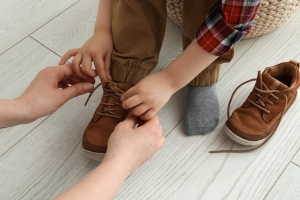
Mother helping son to tie shoe laces.

I swear I just bought my son new shoes… and somehow, they already don’t fit.
If you’re a mom constantly buying the next size up, trust me—you’re not alone 💛

Kids’ feet grow fast, and keeping up can feel like a never-ending cycle of measuring, shopping, and sighing at the receipt. It’s frustrating, exhausting, and honestly confusing at times.

But here’s the good news: once you understand children’s foot growth, how often to replace kids’ shoes, and how to get the right fit, the stress drops way down.
Here’s what I’ve learned as a mom trying to keep up—without losing my mind 😉

Ages & Stages: How Fast Do Kids’ Feet Grow? 🦶📏

measuring-the-size-of-the-foot-baby-infant-body-development-concept-three-month-old.jpg_sMommy =1024×1024&w=is&k=20&c=4P6wUH_k8XtDS-vqVKGVe1DRq-qUzddob-ZaBctn8Wk=

Kids don’t grow at the same pace forever, and knowing what’s normal helps avoid guesswork (and wasted money).

Infants (0–12 months) 👶

  • Feet grow about ½ size every 2 months

  • Soft, flexible shoes or booties work best

  • Shoes usually need replacing every 2–3 months

At this stage, comfort matters far more than style.

Toddlers (1–3 years) 🚶‍♀️

  • Feet grow ½ size every 3–4 months

  • Shoes should support early walking and balance

  • I expect new shoes every 3–4 months

This is when shoes really start to take a beating 😅

Preschoolers (3–5 years) 🎨

  • Growth slows slightly: ½ size every 4–5 months

  • Running, jumping, and playground time wear shoes out fast

  • I plan on replacements every 4–5 months

School-Age Kids (6–12 years) 🎒

  • Growth averages ½ size every 6 months

  • School shoes and sports shoes often wear differently

  • I check shoe fit twice a year

Teens (13+ years) 😎

  • Growth varies (hello, growth spurts!)

  • Feet may grow once a year—or not at all

  • Shoes are replaced as needed for comfort and wear


How I Properly Fit My Kid’s Shoes 👟✅

A good fit has saved us from blisters, complaints, and buying shoes twice.

My go-to shoe fit checklist:

  • Thumb space: About ½ inch at the toe

  • Width check: No squeezing on the sides

  • Heel test: Heel shouldn’t slip when walking

  • Walk test: I always have her walk or run

  • Measure often: Both feet—one is usually bigger!

👉 Mom tip: Shop in the afternoon when feet are slightly swollen for the most accurate fit.


How Many Pairs of Shoes Does My Child Really Need? 🧺👟

I used to think more shoes meant better prep—but balance is key.

What works for our family:

  • 1 everyday pair (school or play)

  • 1 athletic pair (sports or active days)

  • 1 dress or special-occasion pair

  • Seasonal shoes (sandals, boots, rain shoes)

Total: About 3–5 pairs, depending on activities and weather.


Foot Health, Comfort & Style—From One Mom to Another 🌈

Infancy 👶

  • Comfort and flexibility come first

  • Soft soles or barefoot time indoors

  • I skip stiff or heavy shoes

Toddlers 🚸

  • Lightweight shoes with non-slip soles

  • Rounded toe boxes help with balance

  • Bright colors make shoe time easier 🎨

School-Age Kids 🎒

  • Cushioning and support for long days

  • Breathable materials help prevent sweaty feet

  • I let my child choose styles—within reason 😉

Adolescents 😎

  • Support matters, especially for sports

  • I avoid shoes that look cute but hurt

  • Comfort really does build confidence


Signs It’s Time to Replace Your Child’s Shoes ⏰

  • Toes touching the front

  • Red marks or blisters

  • Worn-down soles

  • Complaints about foot, knee, or leg pain

If my kid starts kicking shoes off faster than usual… that’s my first sign 😅


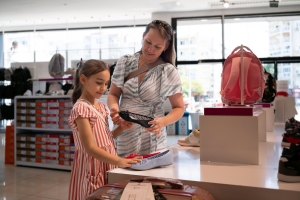
Back To School Shopping Concept. Mother and her two children are shopping for school.


Final Thoughts 💡
Watching your child outgrow shoes so fast can feel frustrating—but it’s also a sign they’re healthy and growing 💕
Staying on top of proper shoe fit for kids protects their foot health, comfort, and confidence.
I measure often, shop smarter, and remind myself this phase won’t last forever…
Even if it feels like I live at the shoe store 😉

💙 Living with Diabetes: Taking Control of Your Health:

💙 Living with Diabetes: Taking Control of Your Health

Diabetes Care for Seniors in Johns Creek, GA

Living with diabetes can feel overwhelming—especially for seniors and the families and caregivers who support them. At Divine Home Nursing, we provide compassionate diabetes care for seniors in Johns Creek, GA, helping older adults safely manage their health at home. 🌿

Whether you are an older adult living with diabetes, a family member caring for a loved one, or a caregiver seeking guidance, small and consistent steps can make a big difference in health, comfort, and independence. 😊


🩺 Understanding Diabetes in Seniors

Diabetes affects how the body turns food into energy. When food is eaten, it turns into glucose (sugar) that enters the bloodstream. Insulin helps move that sugar into cells for energy.

As we age, the body may not produce enough insulin or may not use it effectively. This can cause blood sugar levels to remain too high, increasing the risk of complications—especially for seniors with mobility challenges or other chronic conditions.

💡 Managing diabetes in older adults requires balance, routine, and support at home.


Types of Diabetes Common in Seniors

  • Type 1 Diabetes – Requires lifelong insulin management

  • Type 2 Diabetes – The most common type among adults and seniors

  • Gestational Diabetes – Important for family awareness and future risk


❤ Why Diabetes Management Matters for Older Adults

Uncontrolled diabetes can lead to serious health concerns, including:

  • ❤ Heart disease and stroke

  • 👁 Vision loss or eye disease

  • 🦶 Foot problems, nerve damage, or infections

  • 🩸 Kidney disease

  • ⚠ Increased risk of falls and hospitalizations

With proper monitoring, medication support, and in-home care, many of these risks can be reduced.


🥗 Daily Diabetes Care at Home

1. Healthy Eating for Seniors 🍎

  • Balanced meals with vegetables, lean proteins, and whole grains

  • Regular meal times to avoid blood sugar drops

  • Portion control using smaller plates 🍽

  • Support from caregivers with meal planning

2. Safe Physical Activity 🚶‍♂️

  • Gentle movement such as walking or chair exercises

  • Improved circulation, balance, and strength

  • Encouragement and supervision from caregivers when needed

3. Medication Support 💊

  • Medications and insulin taken exactly as prescribed

  • Help with reminders and proper timing

  • Coordination with healthcare providers

4. Blood Sugar Monitoring 📊

  • Regular checks to prevent emergencies

  • Tracking trends over time

  • Assistance from family members or skilled nursing staff

5. Personal Care & Safety 💅

  • Daily foot checks for cuts or sores

  • Annual eye exams 👓

  • Monitoring blood pressure and kidney health

  • Smoking cessation 🚭


🧠 Emotional Support for Seniors & Caregivers

Living with diabetes can be emotionally exhausting. Seniors and caregivers alike benefit from:

  • 💬 Open conversations about stress or concerns

  • 👥 Support groups for patients and caregivers

  • 🌈 Celebrating small wins and progress

Emotional health is just as important as physical health.


🤝 In-Home Diabetes Care Makes a Difference

Divine Home Nursing proudly provides diabetes care for seniors in Johns Creek, GA, serving families throughout North Fulton County, including Cumming, GA and surrounding communities.

Our in-home services help seniors remain safe, comfortable, and independent while giving families peace of mind.


🌟 Final Thoughts

Managing diabetes is a journey. Focus on progress—not perfection. With the right support system, seniors living with diabetes can enjoy a healthier, safer, and more confident life at home. 💪💙

What is My Baby Trying to Tell Me When She Cries? 👶

What is My Baby Trying to Tell Me When She Cries? 👶

Let’s be honest—those first few months with a newborn can feel like solving a mystery without any clues. One minute your baby’s cooing and cute as ever, and the next—BAM—full-on crying. And you’re left wondering:

“What happened?! What does she want?! Why won’t she stop?!”

If you’re a new parent (or even a seasoned one), it can be tough to figure out what your baby’s cries actually mean. But here’s the good news: babies cry differently depending on what they need.

Once you start listening closely and paying attention, those cries become your baby’s first language. 💬

Let’s dive into the different reasons babies cry—and how to tell which one is which.


1. The “I’m Hungry!” Cry 🍼

This one usually starts soft, then builds up like a mini siren. Your baby’s basically yelling, “Feed me already!”

Look for early signs before the cry kicks in:

  • 👋 Sucking on hands

  • 😛 Smacking lips

  • 🔄 Turning head side to side (rooting)

Hunger cries are the most common, especially in newborns. If you catch it early, you might even beat the tears to the punch.


2. The “I’m Sleepy” Cry 😴

This cry sounds whiny and tired—like a moan. Your baby might rub her eyes, yawn, or zone out.

Some babies fight sleep hard, so the fussing can turn into yelling. To help:

  • 🌃 Keep the room calm and quiet

  • 💡 Dim the lights

  • 🤱 Rock or sway gently

Let her drift off feeling safe and relaxed.


3. The “Something’s Bugging Me” Cry (Uncomfortable) 😖

This sharp, sudden cry usually means something’s off—fast.

It could be:

  • 💩 A wet or dirty diaper

  • 👕 Clothes that are too tight

  • 🧵 A hair wrapped around a finger or toe

  • 💨 Gas or tummy discomfort

Check her diaper, adjust her clothes, burp her, or hold her upright to see if anything helps.


4. The “I’m Angry!” Cry 😤

Yes, babies get frustrated too! This cry is intense and dramatic, like a mini tantrum.

It might happen when:

  • 🧸 You’re too slow with the bottle

  • 🐢 She doesn’t want to be put down

  • 🚫 You take away something she wanted

She’s not mad at you—she’s just expressing frustration. Comfort her calmly and patiently.


5. The “I’m Lonely” or “Pay Attention to Me!” Cry 🫂

This one might start soft and build slowly, with pauses like she’s waiting to see if you’ll come.

She may be saying:

  • 🤗 “Hold me.”

  • 👯 “I want company.”

  • 🎈 “I’m bored.”

And that’s okay. Babies thrive on connection. Picking her up isn’t spoiling her—it’s showing her love and security.


6. The “I’m Scared” Cry 😨

A sudden, panicked cry can happen after a loud noise or quick movement. It’s her way of saying, “That scared me!”

  • 🫂 Pick her up

  • 🗣️ Speak gently

  • 💛 Reassure her with your touch

Your arms are her safe place.


7. The “I Don’t Feel Good” Cry (Sick or in Pain) 🤒

This cry is usually high-pitched, different, or weak—and it’s hard to ignore.

Watch for:

  • 💔 Crying that doesn’t stop even when comforted

  • 🗣️ A hoarse or strained voice

  • 🚑 Other symptoms like fever, vomiting, or not eating

If your instincts say something’s off, trust them. Call your pediatrician—you know your baby best.


8. The “I Just Need Comfort” Cry ❤️

Sometimes there’s no clear reason. She’s not hungry, wet, or tired—she just needs you.

This cry may come and go, and it often calms with:

  • 🎵 Gentle rocking

  • 🧸 Singing a lullaby

  • 🍼 Offering a pacifier or just your soothing voice

You are her whole world. Sometimes all she needs is your love and presence.


So… How Do You Tell the Cries Apart? 🧠

It takes time. And no—you don’t have to get it right every time.

Here are a few tips to help:

  • 🎶 Listen to the tone: Is it soft, sharp, whiny, or panicked?

  • 👁️ Watch her body language: Squirming? Yawning? Rooting?

  • Check the basics: Diaper? Hunger? Sleep? Gas?

  • 💡 Trust your instincts: You’ve got them for a reason!


Final Thoughts 💬

Every baby is different. Every cry means something—even if you don’t figure it out right away.

You’re not a bad parent if your baby cries. You’re a loving human, raising a tiny human who’s still learning how to communicate.

The more you listen, the more confident you’ll become. And before long, those once-mysterious cries will start to make perfect sense.

You’ve got this. 💪

Let’s Stay Connected! 🔗

Have questions or want to connect with other families? Join our community on Facebook—we’d love to support you and share helpful tips!

👉 Follow Divine Home Nursing on Facebook

Pretty Feet

Pretty Feet

Foot Care Tips for Seniors 👣

“I used to have pretty feet.”
Soft skin, smooth heels, and neatly polished toenails. I loved slipping on sandals or going barefoot in the summer. But as time went on, my feet changed — and not for the better. 😕

If you’re like me and wondering what happened, you’re not alone. Many seniors notice changes in their feet. The good news? With a little care, you can improve how your feet look and feel. Let’s talk about why our feet change with age, and how to bring back that “pretty feet” feeling. 💅


Why Do Seniors Have Trouble with Their Feet? 🦶

As we age, our feet go through a lot of wear and tear. After all, they’ve carried us through decades of walking, standing, and life! Here are a few common issues seniors face:

  • Poor Circulation: Blood doesn’t flow as well to the feet as it used to 🩸

  • Dry, Cracked Skin: Aging skin loses moisture easily, especially on the heels 😬

  • Corns and Calluses: Thick patches from pressure or rubbing 👟

  • Thick or Discolored Toenails: Nails may be hard to cut or turn yellow 💛

  • Foot Pain or Deformities: Bunions, hammertoes, arthritis — oh my! 😣

⚠️ Important: If you have diabetes, foot care is even more important. Always see a podiatrist (foot doctor) regularly to prevent infections and serious complications.


How to Care for Aging Feet and Improve Their Appearance

You don’t need expensive treatments to have nice-looking feet. With just a few simple habits, you can keep your feet clean, soft, and healthy. Here’s what you can do:


1. Wash and Moisturize Daily 🧼🧴

Clean feet are happy feet! Wash your feet every day with warm (not hot) water and mild soap. After drying — especially between the toes — apply a rich foot cream to the tops and bottoms.

💡 Moisturizer Tip: Look for creams with urea, glycerin, or shea butter for extra hydration.

❗ Don’t put lotion between the toes — that area needs to stay dry to prevent fungus.


2. Exfoliate to Remove Dead Skin 🦶

Once or twice a week, gently scrub your feet with a pumice stone, foot file, or scrub to remove rough spots.

🧴 DIY Idea: Mix sugar and olive oil for a natural exfoliant! 🍯🦶


3. Trim, File, and Care for Your Toenails

Cut your toenails straight across to prevent ingrown nails. Use a nail file to smooth out sharp edges.

💧 If trimming is difficult due to thick nails or flexibility issues, try soaking your feet first — or see a podiatrist for help.


4. Pamper Yourself with a Pedicure 💅

A good pedicure isn’t just pretty — it’s healthy! It includes:

  • Soaking

  • Exfoliating

  • Trimming and filing nails

  • Moisturizing

  • Optional polish 🎨

💅 Choose a clean salon that follows good hygiene practices.

⚠️ Diabetics: Ask your doctor before getting a professional pedicure.


5. Choose Comfortable, Supportive Shoes 👟

Your shoes can help (or hurt) your foot health. Look for:

  • Arch support

  • Roomy toe boxes

  • Soft, cushioned soles

  • Breathable fabrics

🧦 Wear clean, moisture-wicking socks to stay dry and avoid blisters.


When to See a Podiatrist 🩺

See a podiatrist if you notice:

  • Sores that don’t heal

  • Redness or swelling

  • Pain or changes in shape/color

  • Fungal nails or infections

Diabetics should schedule regular foot exams. Early care prevents bigger problems down the road.


You Deserve Pretty Feet 🌸

You don’t have to give up on pretty feet just because you’re getting older. With a few simple habits — washing, moisturizing, exfoliating, nail care, and even adding a pop of polish — you can feel confident in your feet again.

👣 They’ve supported you through every step of life.
💖 Now it’s time to return the favor.

“What Did I Come in Here For”?

“What Did I Come in Here For?”

Why Seniors Forget Things—and Why It’s Totally Normal

Have you ever walked into a room, stood there for a moment, and thought, “Wait… what did I come in here for?” If you’re over a certain age, chances are you’ve done this more than once—and you’re not alone.

Forgetting little things—like where you put your glasses, what you were just talking about, or why you opened the fridge—is something many seniors experience. But here’s the good news: most of the time, it’s completely normal. 😊

Let’s explore why this happens, why it’s usually nothing to worry about, and what you can do to help keep your mind sharp.


Why Do Seniors Forget Things So Easily?

As we age, our brains—just like our joints—start to slow down a bit. It’s not about losing intelligence or getting “old and forgetful.” It’s more about the brain needing a bit more time to recall and process things.

Here are a few common reasons forgetfulness happens more often with age:

  • Too much on your mind
    Family, finances, health, daily responsibilities—it’s a lot! With all those thoughts buzzing around, one or two are bound to slip.

  • Slower processing speed
    It’s like an older computer loading a webpage—it still works, just not as fast.

  • Distraction and multitasking
    Thinking about lunch, a phone call, and laundry all at once? No wonder you forgot why you walked into the bedroom!

  • Lack of sleep or rest
    Not getting enough rest can make anyone forgetful. And sleep can be harder to come by with age.


Everyday Forgetfulness Happens to Everyone

Let’s be honest—we all have those “oops” moments, no matter our age:

Example 1:
You go to the kitchen to get something, but once you’re there, you look around blankly. “What was I getting again?” Later, you remember—it was your coffee cup!

Example 2:
You’re telling a story, then suddenly pause. “What was I saying again?” You laugh, shake your head, and start over.

These moments happen to people of all ages—but yes, they may happen a little more often after 60.


Here’s Why You Shouldn’t Worry

A little forgetfulness is part of natural aging. It doesn’t mean anything is wrong with you. In fact, stressing about forgetting things can make it worse!

Think of your brain like a file cabinet. When you’re younger, you can quickly reach in and grab a file. As you age, the drawer gets a little tighter—it may take a few extra seconds to pull out the right memory. But it’s still there.


🧠 What Can You Do to Keep Your Memory Sharp?

You can help your brain stay strong and healthy by treating it like a muscle—use it, and it stays in shape.

Try these fun, simple ways to boost brainpower:

  • 🧩 Try puzzles and games – Crosswords, Sudoku, and card games all keep your brain active.

  • 📚 Read or listen to audiobooks – Stories keep your mind engaged and imaginative.

  • 🗨️ Have conversations – Chatting with friends or family boosts memory and thinking.

  • 🧘 Stay calm and relaxed – Meditation or deep breathing helps you focus.

  • 🚶‍♀️ Take a walk – Physical activity improves blood flow to the brain.

  • 📝 Make lists – Writing things down helps you stay organized and focused.


Positive Outcomes of Staying Mentally Active

By taking these small steps, you might notice:

  • Fewer “What was I doing?” moments

  • Better focus and attention

  • A more confident, upbeat mood

  • A sense of accomplishment

And don’t forget the joy of learning something new—a hobby, a recipe, a song on the piano. Learning keeps your brain young.


Final Thought: Aging Gracefully Includes a Little Forgetfulness

So the next time you find yourself standing in the middle of the room wondering why you’re there, just smile and take a moment. It’ll probably come back to you—and if not, you’ll remember eventually.

Being forgetful now and then doesn’t mean something is wrong. It just means you’re human—and growing older with humor, grace, and maybe a few extra sticky notes on the fridge.

So go ahead and laugh at those little moments. Then, pick up a puzzle, take a walk, call a friend, and keep that wonderful mind of yours moving.

My Baby Catnaps – How Much Sleep Does a Baby Need?

My Baby Catnaps, but I thought all a baby did was eat, sleep, and you know, poop!  Well, You’re right! That is what a newborn usually does. After the baby comes home from the hospital, she seems to seep around the clock, except for when she is nursing. A newborn, although, she will sleep for only 2 to 3 hours at a time, it is not considered a catnap during the first 0- 4 months.  She will usually awaken due to hunger.  A Newborn baby will sleep about 22 hours a day.  Sleep is essential for her physical growth and cognitive development.  As the baby gets older those short sleep times, which are not catnaps, start to become meshed into a longer sleep time. Now she will be sleeping three to four hours at a time and awake for longer periods of time.  The reason for the longer naps is that the baby is consolidating her naps.  Instead of many naps, she takes longer naps.

So, if an older baby should be taking  longer naps, why does my baby catnap during the day? Instead of taking two good long naps, one in the morning and one in the afternoon? Why does she just take a morning nap, and will only catnap for 45min, 30min, or even 15min. and is up, and moving all afternoon? Before and after the catnap, she is extremely active, vocal, and nothing seems to calm her down.  Therefore, there is no turning that 30-minute catnap into a 3 hours or 4 hours sleep time.  Now that she is between 5 months to 9 months or even 12 months old, why does my baby catnap?

You can change your  baby’s catnapping schedule?  At this young age, the baby can increase the catnaps, to a full nap for an hour or more. First you have to understand the reason why the baby catnaps. So, when a mom wants to know why her baby catnaps, and says, “My baby catnaps”, mom, you need to focus on some possible reasons why:

Baby Catnaps Because She Needs a Routine

“My baby catnaps.”  Why: Baby needs a routine. Babies need to be on a schedule. This way the baby knows what to expect. The day should follow a specific routine. With a schedule, she will be prepared for the next activity, such as sleep time, bath time, bottle time, cuddle time, play time, sing to me time, and talk to me time. Say, if a baby wakes up and takes her first bottle about 5:00 AM, she then should go back to sleep for about 1 or 2 hours. At this time, she might be ready to start her day with another bottle or to be nursed about 6:00 AM of 7:00 with a diaper change, breakfast, a bath and then dressed for the day. Now onto the morning activities.  After some music time, baby talk (not speaking like a baby, but talking to your baby), story time, and playtime, she should be ready to take a morning nap, which may last about 2 hours. When the baby awakens, lunch is serve. Then there could be some more play time, baby talk and story time. Then say about 12:00 PM or 12:30 PM the baby should show signs of being sleepy or fatigued.  This is when you want to put her down for a nap.  You have to put the baby down when she is sleepy.   If the baby gets too exhausted, she will have difficulty going to sleep or staying asleep. Having a routine is always good for the baby. Sleeping is needed for cognitive and physical growth.  It doesn’t have to be the schedule that is presented above, but there needs to be a daily schedule non-the-less. One thing to remember is not that you can’t do anything but be on baby’s schedule.  Of course, there will be times that you will go out, or do other things that interrupt the daily routine, that’s normal, that’s life.  But the more often you are on a schedule, the happier she will be, and so will you!

Baby Catnaps Because She is  Hungry

“My baby catnaps.”  Why: Baby may be hungry. While following the routine, there should be a “lunchtime”.  Before the baby takes an afternoon nap, be sure that the baby has had enough to eat. By the age of 5 months the baby should be drinking about 5 ounces to 7 ounces of formula. Some babies have already started eating a little rice cereal or other solid foods at this age.  A 5-month-old baby may be eating up to 8 ounces of solid food 2 – 3 meals a day. When her little tummy is full and satisfied, and there is no little hunger “pocket” in her tummy, she will tend to sleep longer.  Of course, all eating selections and amounts to feed are with the direction of your pediatrician.  So, as you move from lunch time to nap time there can be a story or low-key playtime just before the nap. Maybe a bottle too.  Ultimately, you want to make sure that she is fed, dry, and relaxed before the nap. Now baby should take a nice long nap.

 Baby Catnaps Because She is Overly Exhausted

“My baby catnaps.”  Why: Baby may be overly exhausted. When she shows signs of being tired and sleepy, it is time to put her down for a nap.  When she is so tired and does not get the opportunity to sleep, the baby comes over stimulated.  Although, she may be “fighting” sleep, her body is crying out for you to help her get to a restful, calming situation so that she can drift off to a peaceful sleep.  There are many ways to help the baby to calm down.  Use some of these tactics to soothe her: rocking, reading a book, talking to her softly, gently massaging her neck or back, stroking her head, singing softy, or playing a lullaby. Then, when she is drowsy put her down to sleep.  Maybe a few gentle pats will let her know that she is safe to fall asleep.  A soft touch and a soft voice makes her feel secure knowing that you are there.

Baby Catnaps Because She is Too Distracted 

“My baby catnaps.”  Why:  Baby needs to be distracted from the stimulating environment around her. With all the brightly colored toys, wall motifs, colored bedding, and objects in the room, she sometimes may be absorbed in her surroundings.  So, turn out the lights, shut the blinds, and close the drapes.  With the diming of the lights there is less to be distracted by. The dimly lit room also gives the baby the message that something different is about to happen, and it’s not playtime.  It is a quiet time.  Therefore, it is time to do quiet things.  Remember babies pick up many cues from mom and the environment. When mom is calm and shows a restful spirit, the baby will feed off of that calm attitude. When the environment is restful, it gives the baby a sense of restfulness.

Baby Will Stop the Catnaps if the  Distraction is Calming 

Another, way to distract her from the sounds of the house or world outside, is to play soft music.  Music such as lullabies, or soft classical music played at a low volume is restful. The music can include vocals or just be instrumental. This way, the baby is focusing on the music and not other household sounds or objects. Another way to calmly distract the baby is by using white noise.  White noise is many sounds that are heard with the same intensity.  White noise can be found in nature. Nature sounds, such as rain, wind, waterfalls or oceans, are often included on white noise players. There are so many different tones created by those forces of nature, that it turns into natural white noise.  That is why many adults like to take a good nap on a rainy day.  So, does the baby.  She will sleep well to the sound of the soft rain outside her window.  Just like my daughter did when she was 21 months old. Listening to the waves and feeling the gentle rocking of the ship while on a cruise, she “slept like a baby”.  White noise may be just what she needs.  You can find child friendly white noise or music, in the womb sounds or the human heart beat toys at your community toy store. The sound box may be inside of a stuffed animal or some type of baby radio or device.

Conclusion

I have mentioned four reasons why the baby may be taking catnaps.  The four areas that will promote restfulness are: keeping a regular routine, making sure she does not go to bed hungry, putting her down for a nap before she becomes exhausted, and keeping her distracted from the sights and sounds within her environment. By practicing these steps, you can change her behavior and produce an environment for restfulness. The four reasons (steps) will give her the rest that she needs to grow physically and cognitively. Baby will be happy, and mom will not have the need to say “My Baby Catnaps!”

As a new mom, you are more than likely to need some assistance with the new baby, not only just getting baby to take a nap, but for other needs too.  So, contact Divine Home Nursing for the help you need.  We are here to help new moms and babies up to 24 months old. You will also find a more detailed list of Women’s Health Care services on our website-  https://www.divinehomenursing.net.  So just contact us and we can help by providing quality service. No more Catnaps for baby.

For Quality in Home Nursing care servicing Georgia in Dawson County, Forsyth County, Gwinnett County and North Fulton County, go to www.DivineHomeNursing.Net or call us today at 678.696.7177.